
The process below is simple. What makes it work is 15 years spent watching where students actually get stuck, which turned out to be somewhere different from where the syllabus assumes.
For 15 years I taught Pure Maths, Mathematical Physics, and Statistics and Probability at Durham University. Every undergraduate had the grades to get there, yet many couldn’t apply what they’d learnt, they could do the pure maths perfectly, then freeze the moment it turned up inside a mechanics problem. The knowledge was there. Recognising where it applied wasn’t. That’s what a good grade can hide, and it’s why lessons here start by finding what’s missing, not by working through the syllabus.
Get in touch, by phone or email, to talk through what's needed.
First lesson, a conversation, not a test. No expectation you'll already know how to answer everything
Lessons led by you, each one starts with whatever you're finding difficult that week.
Building confidence, praise for the method that was right, even when the final answer wasn't.
Exam preparation, past papers closer to exams, to spot how questions are actually framed.
It’s rarely a lack of knowledge, it’s not laying working out clearly, which loses method marks even when the reasoning was right. The final answer is usually worth one mark, everything before it is worth the rest, and it’s one of the first things I look at with a new student.
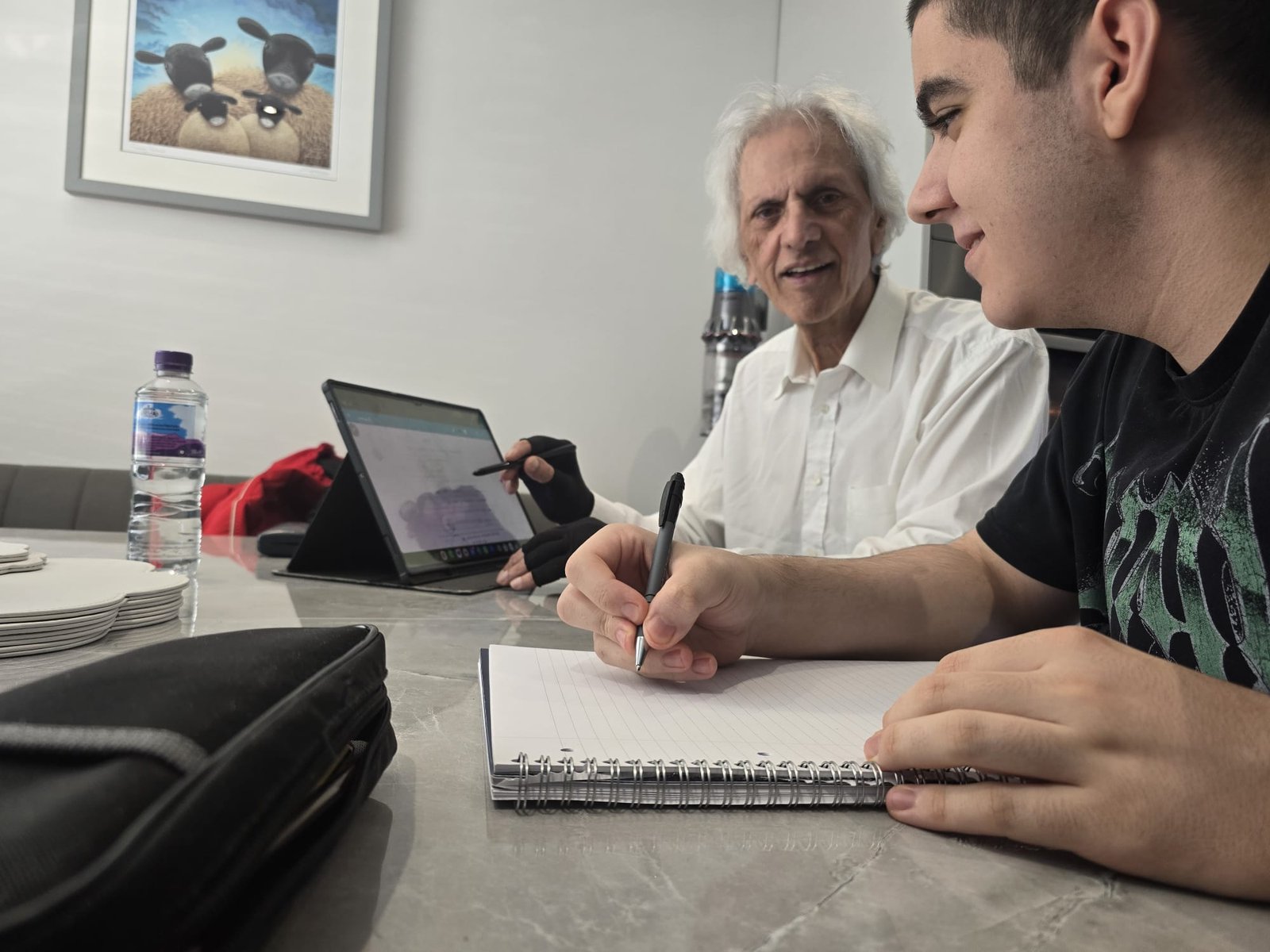
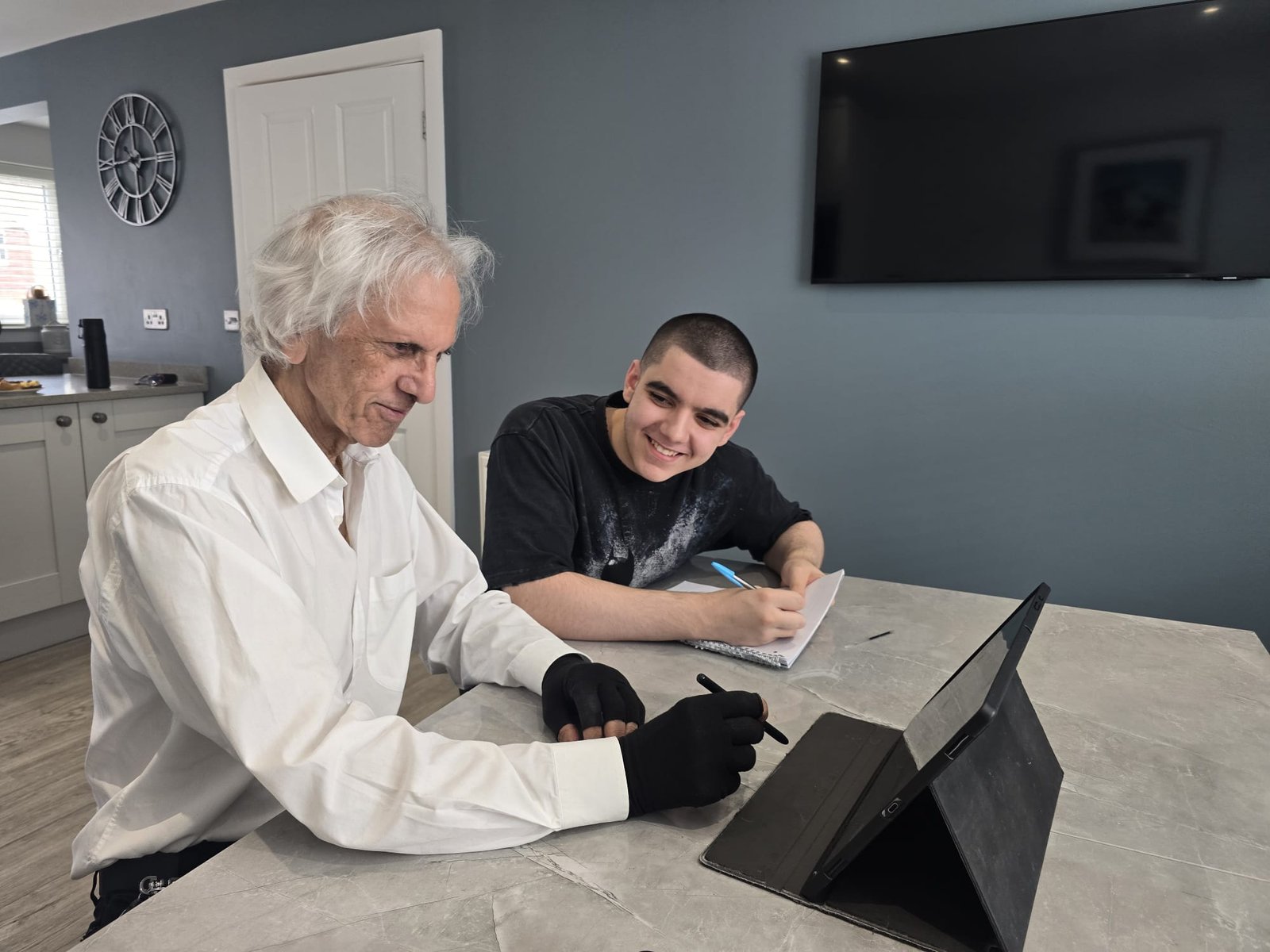
Knowing a subject and being able to teach it are two different skills. I tutored undergraduates myself during my PhD and got good reviews at the time, but I didn’t become a good tutor until several years after that. A cheaper tutor is cheaper for a reason.
This is the same process behind a student who came to me predicted a grade 5 and left with a grade 7 eight weeks later, and behind a Year 8 student with no confidence in maths who went on to Imperial College London. The gap got found early, and lessons stayed pointed at it until it closed.